Evoke Plans Closure of 200 William Hill Betting Shops from May 2026 Amid Cost and Tax Pressures
Written by Lars Schulz · Apr 5, 2026

Evoke Plans Closure of 200 William Hill Betting Shops from May 2026 Amid Cost and Tax Pressures
The Announcement and Its Timing
British betting group Evoke, which owns the well-known William Hill brand, revealed plans in late March 2026 to shutter around 200 UK betting shops starting May 2026, a move tied directly to escalating operational costs and new tax burdens from the UK government's autumn budget of the previous year. Observers note this decision lands amid April 2026 discussions on the high street's evolving landscape, where physical retail faces ongoing headwinds; the closures represent a significant slice of Evoke's shop network, prompting quick reactions from industry watchers and local communities alike.
Evoke's statement, reported by Reuters based on Bloomberg insights, underscores how these factors have squeezed margins, leading the company to rethink its brick-and-mortar footprint while online operations continue to expand. What's interesting here is the precise timing—shops won't close until May, giving staff and locals a buffer, yet the news already stirs conversations in April boardrooms and pubs across the UK.
Evoke and William Hill: A Snapshot of the Operation
Evoke plc operates as one of the UK's prominent gambling firms, with William Hill's retail arm featuring over 1,400 shops nationwide before this announcement; the brand, acquired by Evoke in a major deal years back, has long symbolized high-street betting culture, complete with screens flashing odds on football matches, horse races, and more. Data from company filings shows these locations generated steady foot traffic, particularly during major sporting events like the Premier League weekends or Cheltenham Festival, but recent shifts have altered that picture.
Those who've tracked the sector know William Hill shops often cluster in urban areas and towns, serving punters who prefer in-person slips over apps; Evoke's portfolio also includes digital platforms, yet the physical estate demands hefty upkeep—from rents in prime spots to staffing amid minimum wage hikes. Turns out, the 200 targeted closures—roughly 14% of the total—focus on underperformers, although exact locations remain under review as of April 2026.
Rising Costs and the Autumn Budget's Tax Impact
Operational expenses have climbed steadily, fueled by higher energy bills, wage inflation, and maintenance for aging storefronts, but the real kicker comes from tax changes in the 2025 autumn budget, which introduced steeper levies on gambling firms; these measures, aimed at boosting public funds, hit land-based operators hardest since they lack the scalability of online arms. Figures reveal the new taxes add millions to annual bills for groups like Evoke, eroding profits that were already thin post-pandemic recovery.
Experts point to specifics: the budget hiked duties on fixed-odds betting terminals (FOBTs), a staple in many shops, while broader reforms target the industry's revenue streams; according to analysis from Deloitte's gambling sector reports, such fiscal pressures force operators to consolidate, much like what's unfolding now. And here's the thing—while digital betting dodges some of these hits through lower overheads, physical shops bear the full brunt, explaining why Evoke eyes rationalization.
Broader Government Crackdown on Gambling
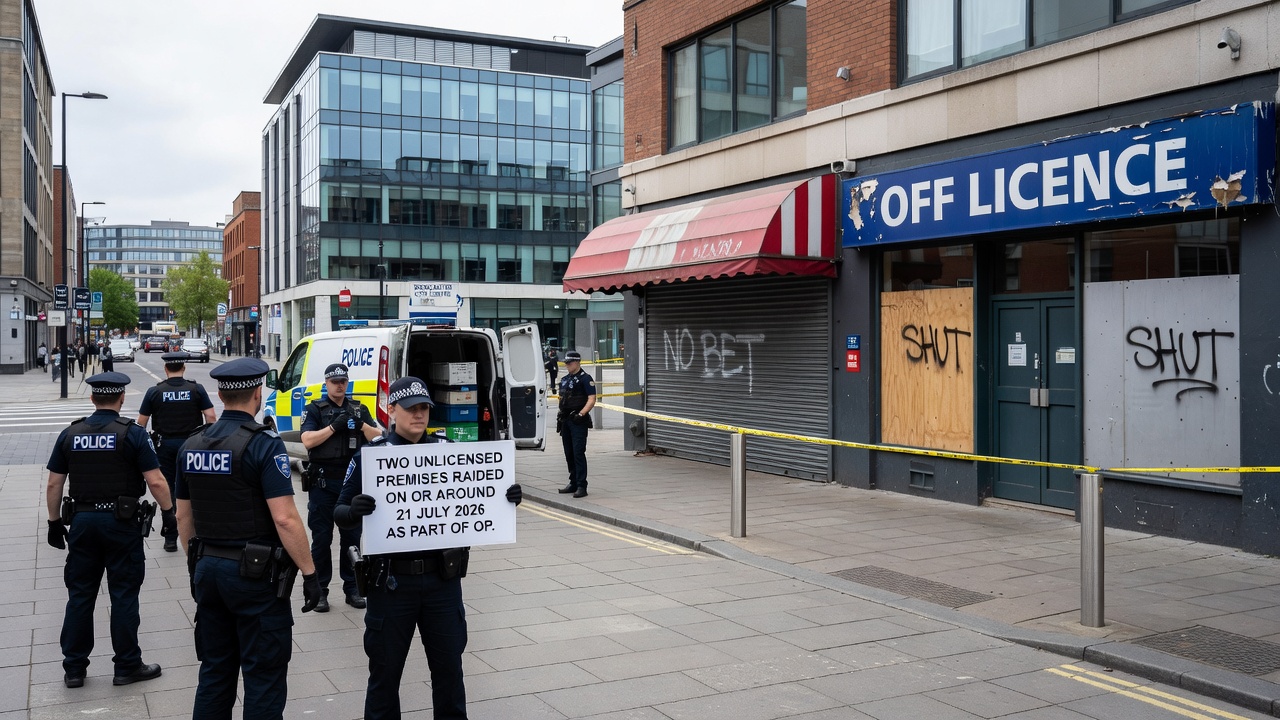
This closure fits into a larger pattern of regulatory tightening, where the UK government ramps up oversight on the gambling sector to curb problem betting and protect consumers; recent white papers and consultations have spotlighted affordability checks, stake limits on slots, and enhanced tracking, all of which raise compliance costs for operators. Observers have seen similar dynamics play out—take one case from 2024 where rival firms trimmed shops ahead of levy changes, setting a precedent Evoke now follows.
Yet the crackdown extends beyond taxes; advertising curbs and self-exclusion schemes add layers of expense, while public health campaigns portray betting shops as community risks, influencing local council decisions on renewals. People in the industry often discover that navigating these rules demands big investments in tech and training, diverting funds from expansion; as April 2026 unfolds, Evoke's move highlights how physical venues increasingly struggle under this regime.
Strategic Reviews and the Potential Sale
Evoke's shop cull forms part of wider strategic soul-searching, including a December 2025 disclosure of exploring a full company sale to unlock value for shareholders; investment banks now sound out buyers—from private equity outfits to international peers eyeing UK market share. Data indicates the firm's market cap hovered around £1 billion pre-announcement, buoyed by William Hill's brand equity, although shop closures could trim that if not offset by online growth.
Those who've studied mergers know sales in gambling often hinge on regulatory nods and asset splits—online versus retail—which Evoke might pursue to sweeten the deal; meanwhile, the board weighs options like partnerships or further digitization. It's noteworthy that amid April 2026's stock fluctuations, shares dipped on the news, reflecting investor jitters over the high street's viability.
Potential Impacts on Jobs, Communities, and the Sector
Around 1,000 jobs hang in the balance from these closures, as each shop typically staffs 4-6 people, including full-timers and casuals who handle peaks like Grand National day; unions have flagged retraining programs, with Evoke pledging consultations and redundancy support. Local economies feel the pinch too—shops in smaller towns act as hubs, drawing custom that spills to nearby cafes and newsagents, so councils brace for vacant units amid high street woes.
But here's where it gets interesting: the shift accelerates betting's online migration, where Evoke reports robust user growth via apps offering live streams and cash-out features; studies from industry trackers show 70% of UK wagers now digital, underscoring why firms pivot. One researcher noted a parallel in Ireland, where chain closures boosted app downloads by 25%, hinting at Evoke's likely trajectory.
Competitors watch closely—Entain and Flutter hold larger shop networks, yet face identical pressures, potentially sparking a wave of consolidations; the ball's in their court to adapt, whether through hybrid models or lobbying for tax relief.
Looking Ahead: What April 2026 Signals
As consultations roll out this spring, Evoke refines closure lists based on viability metrics like footfall data and profitability per site; government responses to industry pleas for budget tweaks could sway outcomes, although fiscal hawks hold firm. Observers track share performance and bidder interest, with the sale process gaining steam amid sector M&A buzz.
People who've followed these shifts often find resilience in adaptation—online platforms thrive, sports partnerships endure, and William Hill's legacy persists digitally. That said, the high street loses another layer of its betting heritage, marking a pivotal turn.
Conclusion
Evoke's plan to close 200 William Hill shops from May 2026 crystallizes the clash between rising costs, tax hikes from the 2025 autumn budget, and a stringent regulatory environment, all woven into strategic reviews like the potential company sale flagged last December. While jobs and communities adjust, the episode spotlights gambling's digital future; as April 2026 progresses, stakeholders await details on implementations, underscoring the sector's ongoing transformation under economic and policy strains.