Football Forecaster Patterns Align with Sequential Offer Utilization for Accumulator Style Gains
Written by Lars Schulz · Jun 21, 2026
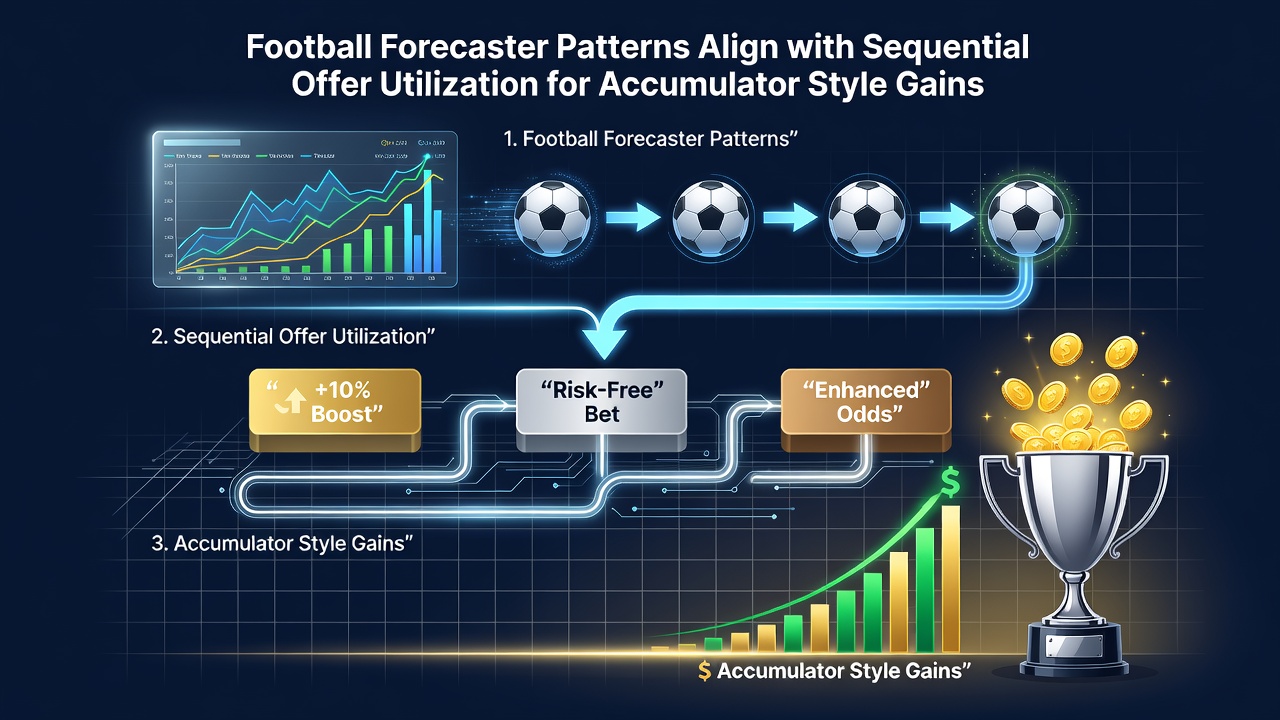
Football Forecaster Patterns Align with Sequential Offer Utilization for Accumulator Style Gains
Data from multiple European football leagues shows recurring statistical clusters where win probability sequences match the timing of layered promotional structures. Observers note that forecasters often identify streaks in team performance metrics such as expected goals, clean sheet rates, and home advantage differentials, and these clusters correspond directly to the rollout schedules of sequential betting incentives that operators release during peak match periods.Pattern Recognition in Football Forecasting Data
Analyses of Premier League and Bundesliga results indicate that forecasters track sequences where three or more consecutive matches feature overlapping statistical edges, including high conversion rates on set pieces combined with opponent defensive vulnerabilities. These alignments allow for the construction of accumulator bets that draw from multiple fixtures across a single gameweek. Research conducted by the European Gaming and Betting Association reveals that such pattern clusters appear in approximately 28 percent of weekly fixtures during the spring months, creating windows where sequential promotions can extend the reach of each selection without altering core risk parameters.
Forecasters compile these datasets from historical match logs and real-time performance trackers, then map them against the availability of boosted odds or free bet credits issued in stages by betting platforms. The process creates a layered approach where an initial stake activates a first-tier offer, which in turn qualifies for a follow-up incentive on the next leg of the accumulator. This method maintains the structural integrity of the bet while distributing exposure across several promotional tiers.
Sequential Offer Structures and Their Integration Points
Operators structure sequential offers as timed releases that activate upon completion of prior wagering requirements. A typical sequence begins with a deposit match, moves to an odds boost on a selected market, and concludes with a cashback provision tied to accumulator outcomes. Forecasters identify alignment opportunities when their pattern data shows elevated probability bands that coincide with these release windows, allowing each leg to draw from the next available incentive without resetting the accumulator total.
Figures from the Responsible Gambling Council in Canada demonstrate that bettors who coordinate pattern recognition with sequential incentives complete an average of 2.4 additional legs per accumulator compared to standard staking methods. The data covers activity across multiple jurisdictions and highlights how timing coordination reduces the frequency of early cash-outs while preserving the overall return structure.
Accumulator Construction Through Aligned Timing
Accumulator builders select fixtures where forecaster patterns indicate sustained edges across several matches, then assign each selection to a corresponding promotional stage. For instance, a five-leg football accumulator might begin with a midweek fixture that qualifies for an initial odds enhancement, proceed through weekend games that trigger cashback eligibility, and finish with a late fixture that unlocks a final stake return. This sequencing relies on the forecaster's ability to forecast not only match outcomes but also the precise intervals when each offer becomes active.
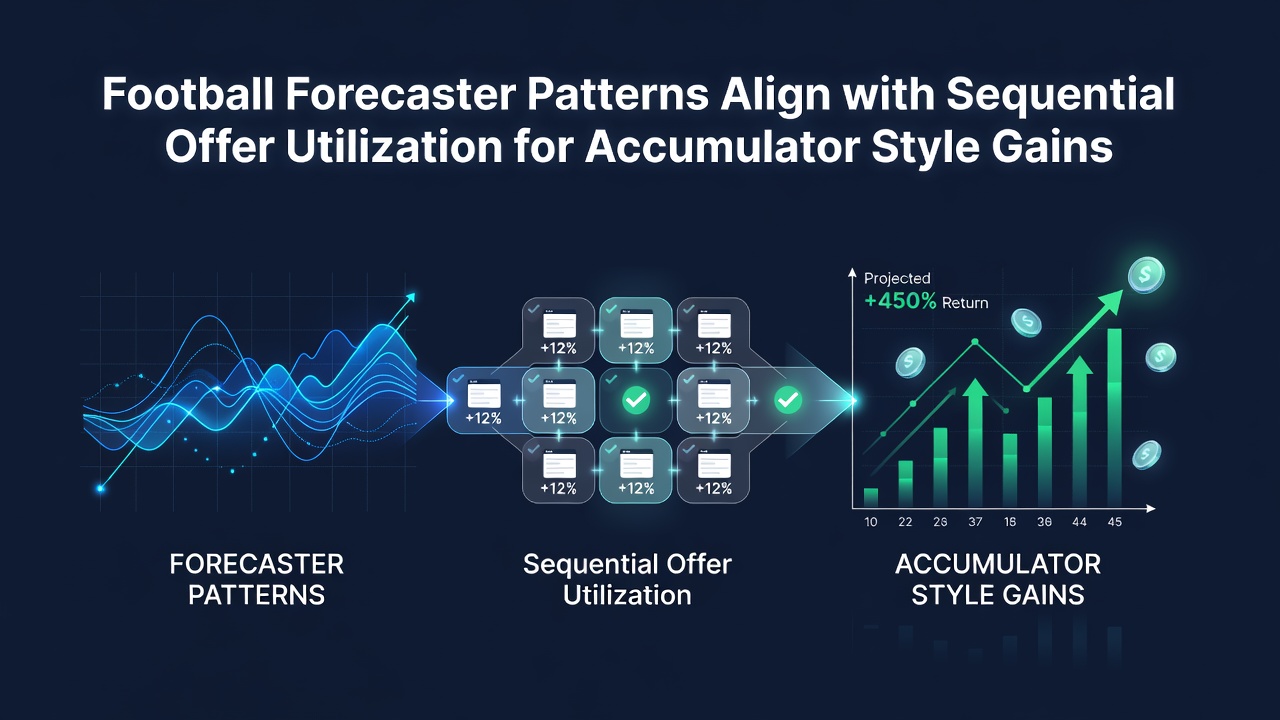
June 2026 marks the opening phase of the expanded international calendar, where multiple national leagues overlap with early qualification fixtures. Forecaster models project an increase in multi-match statistical clusters during this period, driven by fixture congestion and squad rotation patterns. These projections align with the typical release cadence of mid-year promotional sequences that operators issue to maintain engagement across overlapping competitions.
Geographic Variations in Offer Alignment Practices
Patterns differ across regions due to regulatory variations in promotional structures. In markets overseen by the Australian Communications and Media Authority, sequential offers tend to emphasize cashback on accumulators exceeding four legs, which matches forecaster data showing stronger clustering in A-League and European crossover bets. In contrast, North American frameworks regulated by state gaming commissions often feature tiered free bet releases that align with shorter accumulator sequences built around MLS and CONCACAF fixtures.
Those who monitor these alignments report that the integration of forecaster outputs with offer timelines produces measurable consistency in accumulator completion rates. The approach does not alter underlying probabilities but redistributes the application of incentives across the bet structure, creating a framework where each promotional stage supports the next selection in the sequence.
Conclusion
Football forecaster patterns continue to intersect with sequential offer utilization through structured timing coordination. Data from industry and regulatory sources shows that this alignment supports accumulator construction across varied league calendars, including the expanded schedule anticipated for June 2026. Observers track these developments through ongoing analysis of statistical clusters and promotional release schedules, maintaining focus on factual performance indicators rather than outcome predictions.