Illegal UK Betting Sites Gear Up for £845 Million Ad Blitz by October 2026
Written by Petra Sullivan · Apr 24, 2026

Illegal UK Betting Sites Gear Up for £845 Million Ad Blitz by October 2026
The Projected Ad Spend Explosion
Research from the World Advertising Research Center paints a stark picture; illegal betting sites zeroing in on UK punters stand poised to pour £845 million into advertising by October 2026, marking a sharp 32% jump from the previous year, while this surge forms just one piece of the UK's sprawling £1.9 billion gambling industry ad budget. Figures like these don't emerge in a vacuum, as observers note how unregulated operators exploit digital channels to lure bettors frustrated with licensed platforms, and that's where the real action heats up.
What's interesting here lies in the sheer scale; these black market players, often operating beyond borders and oversight, ramp up their visibility through aggressive online campaigns, flooding social media, search results, and affiliate networks with tempting offers that licensed sites can't always match. Data indicates this projected spend could dwarf earlier estimates, fueled by sophisticated targeting that zeroes in on UK demographics hungry for higher odds or unrestricted access, yet the broader industry context shows legal operators still dominate the ad landscape overall.
Key Drivers Pushing Bettors Underground
Upcoming changes in the UK gambling sector play a pivotal role; a looming tax hike on betting duties, combined with the phased rollout of financial risk assessments—set to face pilot scrutiny in April 2026—threaten to squeeze licensed operators, potentially driving punters toward unregulated alternatives that sidestep these hurdles. Experts tracking the market have observed how such regulations, designed to protect consumers, inadvertently boost black market appeal by imposing affordability checks and stake limits that feel restrictive to high-volume bettors, while the tax pressures force legal firms to tighten belts elsewhere.
And here's the thing: as these measures take hold, particularly with April's pilot phase drawing closer, more UK gamblers might gravitate to sites offering lax verification and unlimited play, even if it means trading safety for flexibility; studies on similar shifts in other regulated markets reveal that player migration can spike by double digits when compliance burdens mount. Turns out, the writing's on the wall for those navigating the grey areas, where illegal operators promise seamless experiences unburdened by the red tape.
Regulatory Pushback and Enforcement Wins
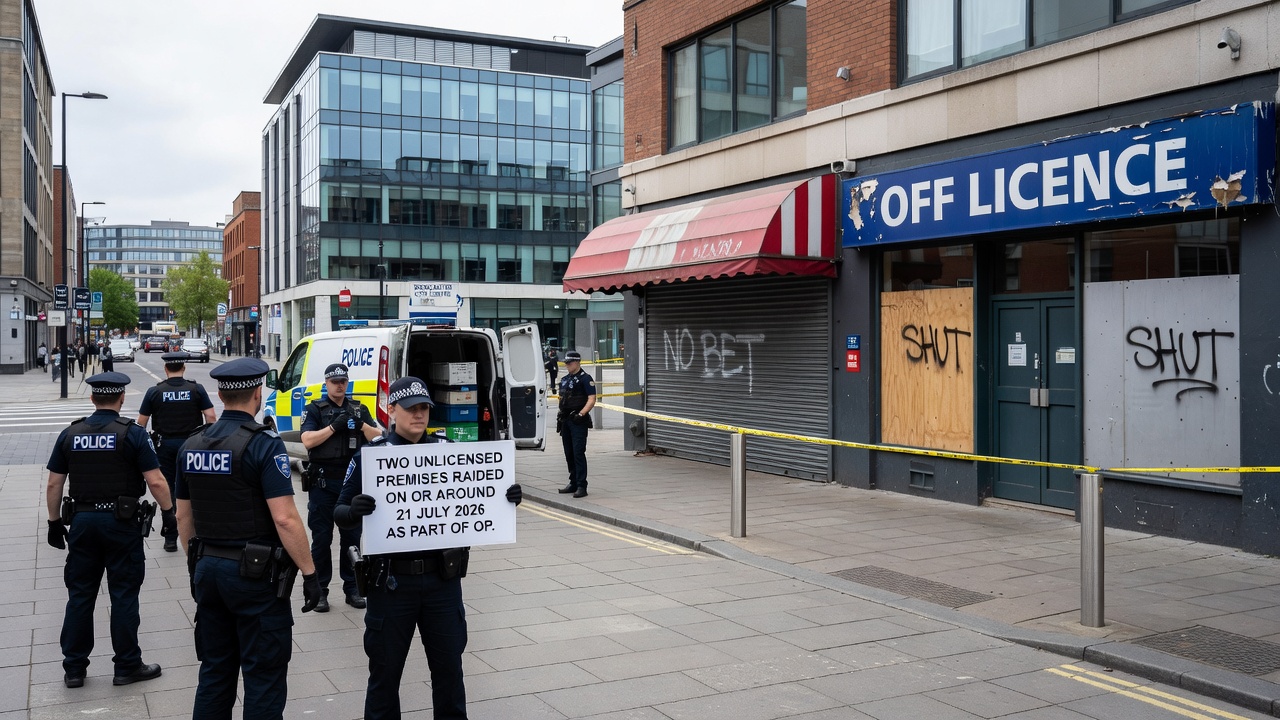
The UK Gambling Commission steps up aggressively in response; over 3,000 cease and desist orders have flown out to curb the spread of these illicit promotions, targeting everything from rogue websites to sneaky affiliate links that slip through cracks. Collaboration with tech heavyweights like Google amplifies the effort, as the search giant scrubbed 270 million illegal ads and yanked 287,000 unlicensed URLs in 2025 alone, according to commission reports—a testament to how public-private partnerships yield tangible results in the digital wild west.
But here's where it gets interesting: such disruption activities, detailed in the Gambling Commission's summary, extend beyond mere takedowns; they involve real-time monitoring, international coordination, and AI-driven detection that flags suspicious patterns before they reach UK screens. Observers who've followed these campaigns point out a one study from similar enforcement waves showed a 40% drop in exposed illegal sites within months, although resilient operators often pivot to new domains or platforms like Telegram channels and VPN-masked servers.
Broader Industry Ripple Effects
Within the £1.9 billion ad ecosystem, illegal sites carving out nearly half a billion underscores a growing schism; licensed bookmakers, facing their own compliance costs, allocate spends more cautiously on TV spots, sponsorships, and compliant digital pushes, yet black market rivals play by different rules, undercutting with bonus-heavy lures that skirt advertising standards. People in the know highlight how this imbalance erodes trust, as punters encounter fake endorsements or manipulated odds promotions that licensed firms can't replicate without risking fines.
Take one case where regulators traced a single illegal network's ad blitz back to overseas servers; it funneled thousands of UK sign-ups before getting shuttered, revealing how these operations launder traffic through proxies and crypto payments to evade detection. That's not all; data from ad intelligence firms shows spikes in mobile app installs from illicit sources during major events like football tournaments or Cheltenham, where the allure of enhanced accumulators draws crowds.
So, as October 2026 looms, the stakes rise not just for punters but for the entire regulatory framework; with April's affordability pilots on the horizon, enforcement teams brace for intensified activity, ramping up cross-border intel sharing with bodies like the EU's gambling watchdogs. Yet challenges persist, since illegal operators adapt swiftly, mirroring tactics from crypto scams or offshore poker rings that have dodged crackdowns for years.
Tech's Role in the Cat-and-Mouse Game
Google's 2025 haul of 270 million ads and 287,000 URLs exemplifies the firepower; algorithms now scan billions of placements daily, cross-referencing against license databases to preempt displays, while machine learning flags anomalies like geo-blocked UK traffic from non-compliant domains. Researchers who've analyzed these efforts note a fascinating evolution, where ad networks themselves impose blacklists, starving rogue sites of oxygen before campaigns even launch.
And while cease and desist orders hit 3,000-plus, their impact compounds through follow-ups; non-compliant entities face domain seizures or payment processor bans, cutting off revenue streams that fund those lavish ad buys. It's noteworthy that this multi-pronged approach, blending legal muscle with tech precision, has already forced some operators to dial back, although projections still forecast that £845 million surge if trends hold.
Implications for UK Punters and the Market
For everyday bettors, the proliferation spells risks beyond voided wins or withheld payouts; unregulated sites often vanish overnight, leaving deposits stranded and personal data exposed to breaches that licensed platforms mitigate through rigorous standards. Figures reveal thousands report issues annually, from rigged games to aggressive debt collection, prompting calls for better education on spotting fakes—like missing UKGC badges or improbable bonus terms.
Now, with tax hikes and risk checks reshaping legal betting—especially as April 2026 pilots test real-world friction—savvy punters weigh options, sticking to verified apps while illegal ads bombard inboxes and feeds. Experts observe that transparency tools, like the commission's public warnings list, empower users to sidestep traps, yet the ad deluge tests even the cautious.
That said, the £1.9 billion total ad pie grows too, signaling robust demand; legal operators counter with innovation, like personalized promos compliant with rules, ensuring they hold ground against the shadows. One researcher tracking ad metrics found legal spends yielding higher retention rates, as trust pays dividends over flashy but fleeting illegal pitches.
Conclusion
This £845 million projection by October 2026, a 32% leap amid regulatory squeezes, spotlights the tug-of-war defining UK gambling; while the Gambling Commission and allies like Google deliver blows—3,000 orders, millions of ads erased—the black market's ad war machine churns on, propelled by tax woes and impending April checks. Data underscores the urgency, as illegal spends nibble at the £1.9 billion industry total, challenging enforcers to stay ahead in a borderless digital arena; ultimately, punters hold the power, choosing licensed paths that safeguard wins and data alike, even as temptations multiply across screens.