Off-Peak Synchronization Approaches in Multi-Sport Forecasting Networks
Written by Blake Hansen · May 27, 2026
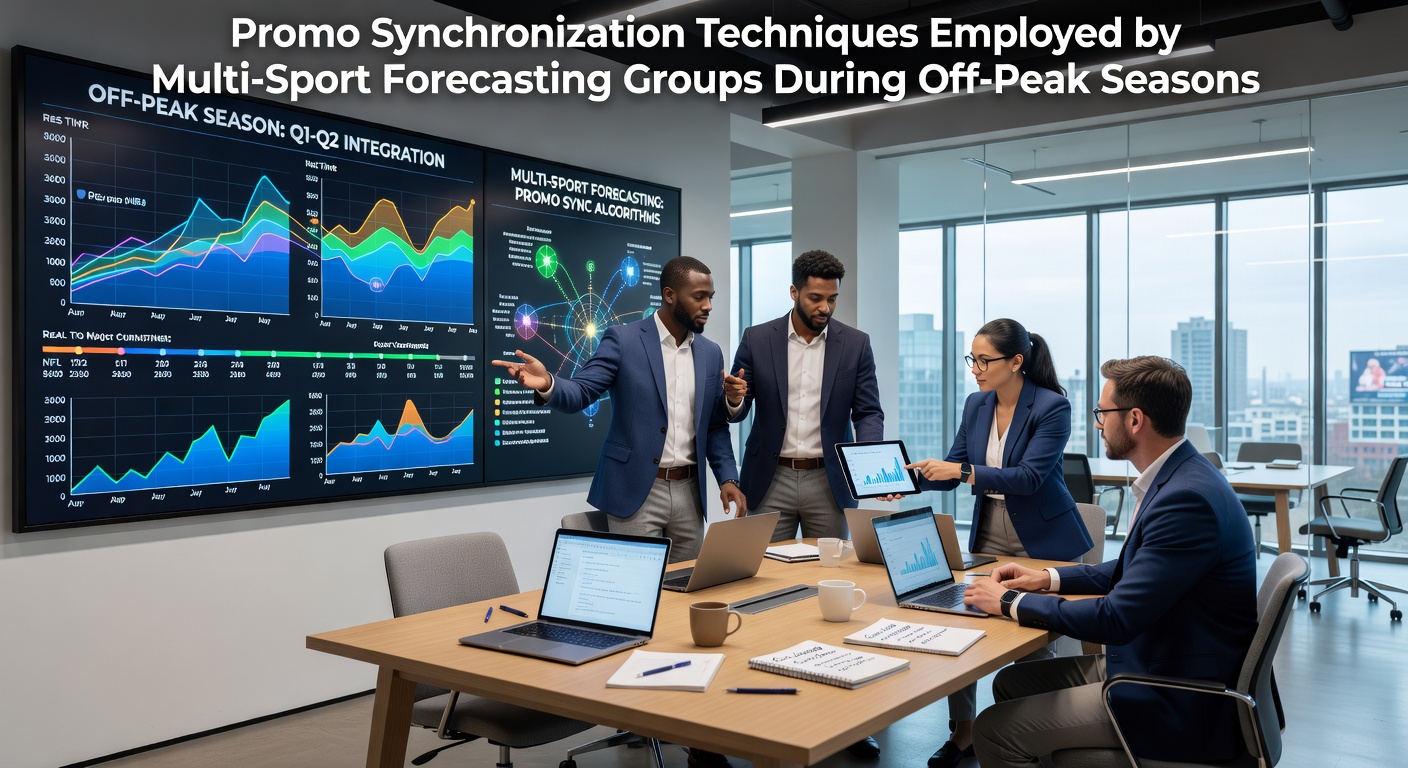
Off-Peak Synchronization Approaches in Multi-Sport Forecasting Networks
Multi-sport forecasting groups coordinate promotional offers across various disciplines when major events slow down, and observers note that these networks often align bonus structures with bookmaker release schedules to maintain engagement levels. Data from industry analyses shows that such synchronization allows groups to layer incentives from football, basketball, and tennis calendars even as primary seasons wind down, while researchers at the University of Nevada, Reno have documented similar patterns in cross-sport prediction activities.
Calendar Mapping and Timing Adjustments
Groups begin by mapping global sports schedules, identifying gaps where one league enters off-season while another ramps up, and this process involves cross-referencing start dates for European leagues against North American circuits. Analysts combine these timelines into shared databases that flag optimal windows for promotion activation, and the result is coordinated campaigns that roll out sequentially rather than overlapping in ways that dilute value. According to reports from the Canadian Centre on Substance Use and Addiction, such structured timing helps forecasting networks maintain consistent output during periods when single-sport focus would otherwise limit options.
Layering Across Available Markets
During quieter stretches, teams stack free bet credits from one sport with enhanced odds from another, creating chained opportunities that extend through multiple events. For instance, a group might secure an accumulator bonus tied to cricket fixtures in one region while pairing it with in-play incentives from emerging baseball seasons elsewhere, and this method relies on precise tracking of expiry dates to avoid lapses. Evidence from multiple forecasting operations indicates that these layered approaches require dedicated staff to monitor terms across operators, since minor variations in conditions can disrupt the entire sequence.
Tool Integration and Data Sharing Protocols
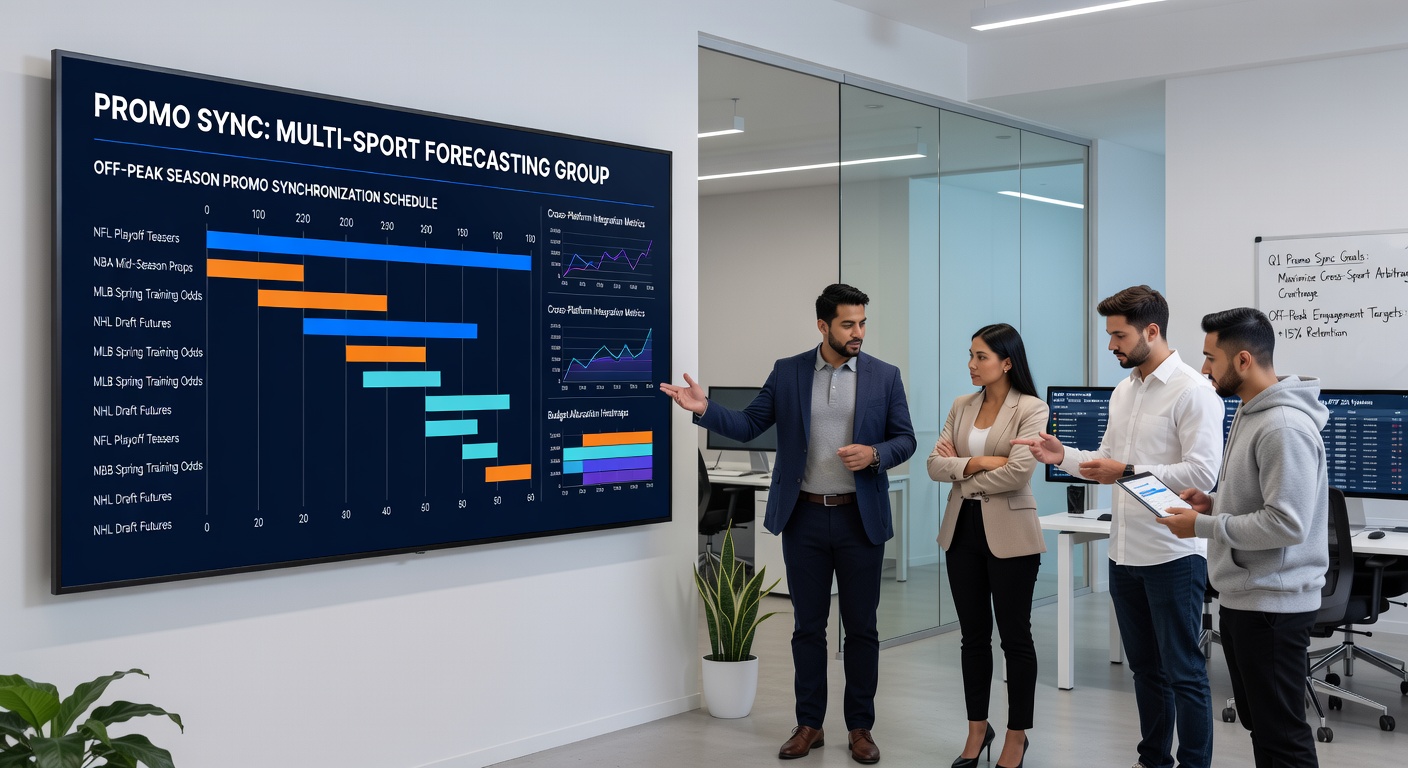
Forecasting collectives employ specialized software that pulls real-time promotional data from various platforms, allowing members to receive alerts when new offers align with their planned event selections. These tools also incorporate historical performance metrics so groups can predict which promotions will yield the strongest returns during specific months, and the integration reduces manual checks while increasing the speed of adjustments. What's interesting is how some networks share anonymized usage data internally to refine future synchronization without breaching operator rules.
Adaptations Around May 2026 Transitions
As May 2026 approaches, several leagues enter transitional phases where fixtures thin out, prompting groups to shift emphasis toward pre-season preparations in other sports. Networks have already begun testing synchronization models that bridge these gaps by pulling in offers from motorsport events and summer tournaments, and figures from regional gaming associations show increased activity in these hybrid strategies during comparable periods in prior years. The ball remains in the court of each collective to test these alignments against actual release patterns from bookmakers.
Regulatory and Operational Considerations
Observers note that groups must navigate differing rules across jurisdictions when syncing promotions, since one market might restrict bonus stacking while another permits broader combinations. Teams therefore maintain separate compliance checklists for each region they cover, and this segmentation prevents conflicts that could halt a coordinated campaign mid-cycle. Research from the Australian Gambling Research Centre highlights how such attention to detail supports sustained operations even when core seasons create natural downtime.
Conclusion
Multi-sport forecasting groups continue to refine their synchronization methods as sports calendars evolve, relying on calendar mapping, layered incentives, and integrated tools to bridge off-peak periods effectively. These techniques allow networks to sustain activity levels by drawing from diverse disciplines, and the approaches adapt as new seasons begin or existing ones conclude. Data indicates that continued coordination will shape how these collectives operate through transitional windows like those expected around May 2026.