Precision Analytics Platforms Examine Incentive Layers Across International Secondary Markets
Written by Lars Schulz · Jul 29, 2026
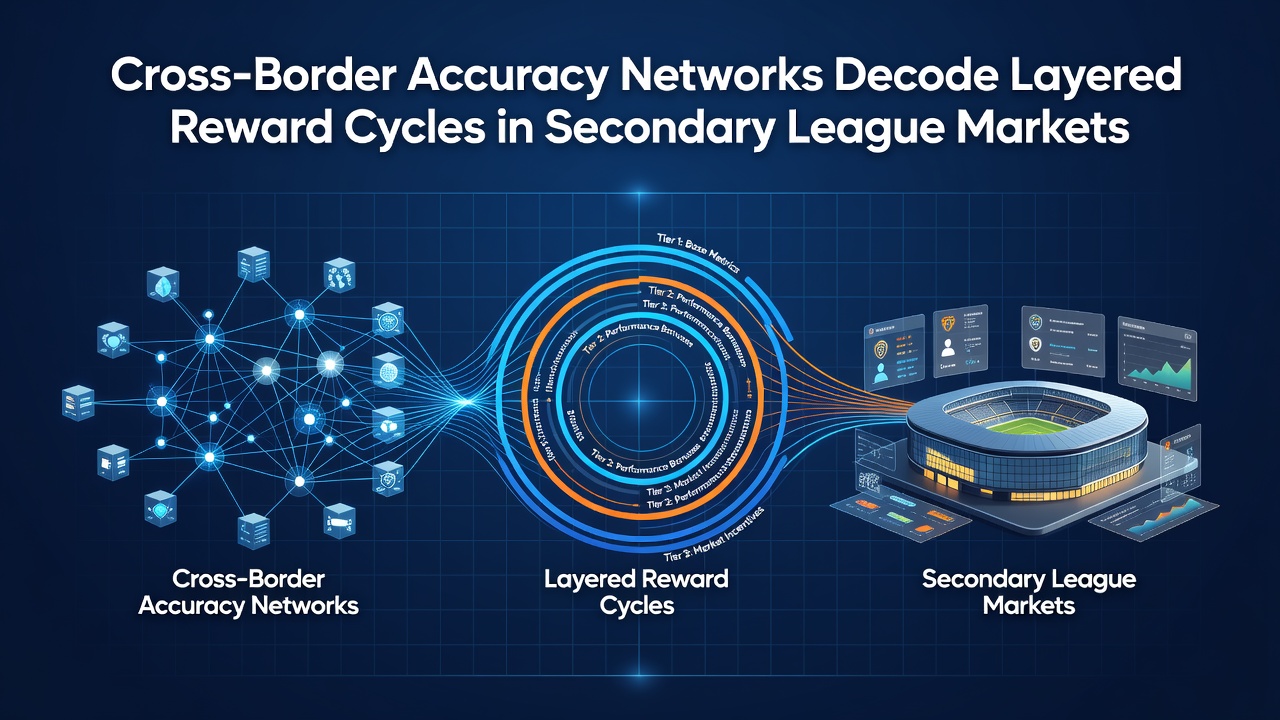
Precision Analytics Platforms Examine Incentive Layers Across International Secondary Markets
Cross-border accuracy networks have expanded their reach into secondary league markets where layered reward cycles determine payout structures and operator strategies, and these systems rely on synchronized data feeds from multiple jurisdictions to maintain consistency across varying regulatory frameworks. Observers note that such networks process real-time inputs from European lower-division football competitions alongside comparable circuits in North American minor leagues, allowing operators to align promotional cycles with verified performance metrics.
Network Architecture and Data Integration
Developers design these platforms to aggregate transaction logs, odds movements, and settlement records from disparate sources, then apply validation protocols that flag discrepancies before they propagate through reward distribution models. Researchers at institutions tracking global gaming trends have documented how algorithms reconcile differences in tax treatments between Canadian provincial systems and Australian state frameworks, which ensures that layered incentives remain functional when bettors cross borders or when operators expand into new territories.
Figures from mid-2026 indicate increased adoption rates following regulatory updates in several regions, with July 2026 reports highlighting a measurable uptick in cross-jurisdictional data sharing agreements that support secondary market operations. Those agreements typically cover leagues outside primary divisions, where reward cycles often incorporate conditional bonuses tied to volume thresholds and performance benchmarks.
Regional Variations in Secondary Markets
European operators managing lower-tier basketball and handball competitions integrate accuracy networks to decode how reward layers respond to fluctuating attendance figures and broadcast rights values. Data from the European Gaming and Betting Association shows these networks reduce settlement errors by cross-referencing local licensing requirements with international payout standards, and the process allows operators to adjust cycle durations without violating regional caps on promotional spending.
North American counterparts apply similar methodologies to minor league baseball and hockey circuits, where layered rewards frequently include loyalty multipliers that activate only after certain cross-border wagering patterns emerge. A report from the American Gaming Association outlines how verification layers prevent over-allocation of incentives when participants move between state-regulated platforms, and the same mechanisms support compliance with varying responsible gaming thresholds.
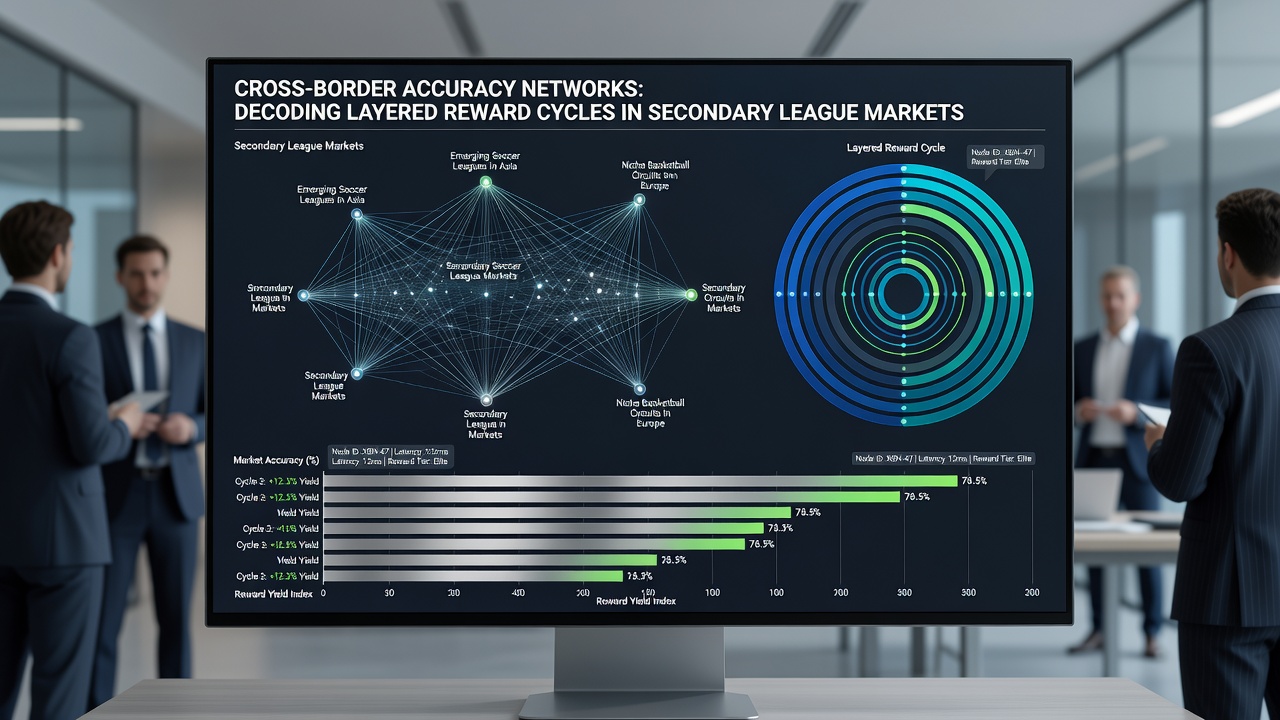
Asia-Pacific markets present additional complexities because secondary cricket and rugby leagues operate under distinct taxation models that affect how reward cycles accumulate value over time. Accuracy networks deployed in these regions synchronize data streams with oversight bodies such as those in New South Wales and Victoria, enabling operators to maintain transparent reporting while accommodating seasonal variations in participation rates.
Operational Impacts and Compliance Mechanisms
Operators report that integration of these networks streamlines the identification of overlapping incentive structures, particularly when secondary league events coincide with major tournaments that draw international attention. The resulting clarity helps prevent unintended stacking of rewards across borders, a concern that regulators in multiple jurisdictions have flagged during 2026 policy reviews.
Academic studies examining data integrity in gaming environments have found that accuracy protocols improve traceability of reward cycle modifications, and this traceability supports audits required by licensing authorities outside the primary betting corridors. One study coordinated through a Canadian research consortium demonstrated how layered verification steps reduce latency in updating payout formulas when market conditions shift rapidly.
Secondary league markets continue to attract attention because their reward cycles often feature shorter duration windows and higher frequency adjustments compared with flagship divisions. Networks that decode these patterns provide operators with standardized outputs that respect local rules while preserving the economic logic of cross-border participation.
Future Developments in Data Synchronization
Industry organizations anticipate further refinements to accuracy frameworks as more jurisdictions adopt digital licensing systems that feed directly into shared verification pools. These developments build on existing infrastructure already handling secondary market data flows, and they promise tighter alignment between reward cycle parameters and real-time compliance checks.
Stakeholders across continents continue to monitor how these networks evolve in response to new league formations and changes in broadcasting agreements that influence secondary market liquidity. The emphasis remains on maintaining factual consistency in data handling rather than on any single regional approach.
Conclusion
Cross-border accuracy networks have established themselves as essential components for interpreting layered reward cycles in secondary league markets, drawing on synchronized inputs from diverse regulatory environments to support operational stability. Data collected through July 2026 and beyond continues to inform refinements that balance incentive complexity with jurisdictional requirements, and the resulting frameworks offer measurable improvements in settlement accuracy across participating regions.