Precision Cross-Checks: Multi-Sport Forecasting Data Compared to Phased Incentive Cycles for Accumulator Development
Written by Blake Hansen · Jul 17, 2026
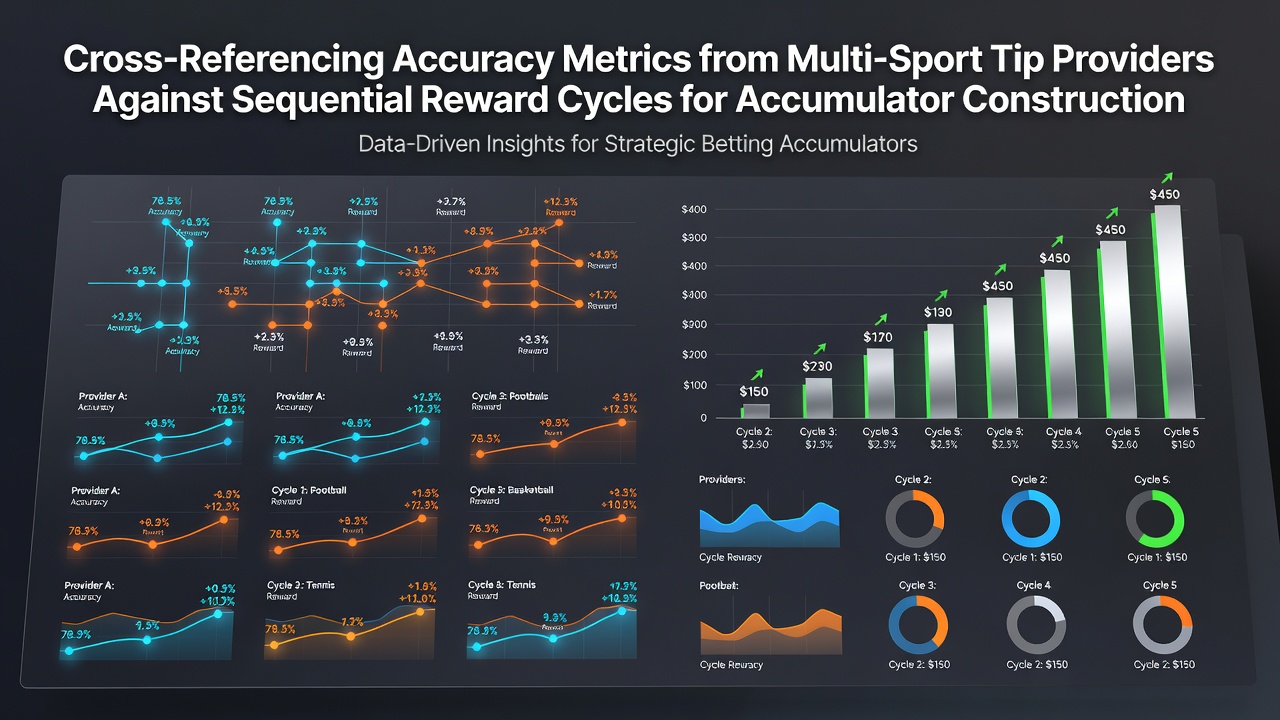
Precision Cross-Checks: Multi-Sport Forecasting Data Compared to Phased Incentive Cycles for Accumulator Development
Data from various sports forecasting services shows measurable differences in hit rates across football, horse racing, tennis and basketball when these figures undergo direct comparison against staged promotional timelines offered by betting platforms, and observers note that such alignments influence accumulator structures in July 2026 as seasonal calendars shift and new reward sequences activate.
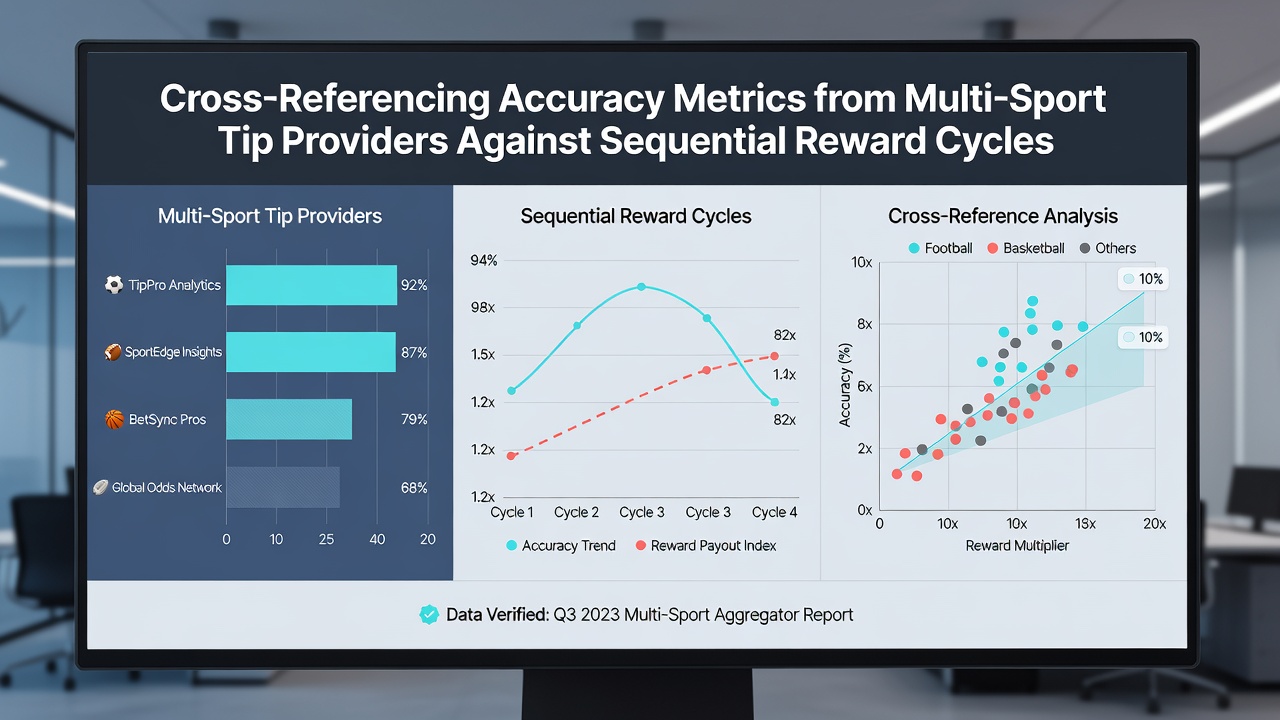
Researchers at academic institutions have compiled datasets that track prediction success percentages from multiple providers, revealing that football tip services maintain average accuracy levels between 52 and 61 percent over rolling three-month periods while horse racing sources post slightly lower ranges around 48 to 57 percent according to aggregated industry reports.
Mapping Accuracy Indicators Across Providers
Multiple tip sources publish performance logs that allow side-by-side evaluation, and analysts cross-reference these logs against bonus release schedules that unfold in distinct phases such as initial deposit matches, mid-cycle reload offers and end-of-sequence free bet triggers. This mapping process highlights how certain accuracy clusters correspond with particular stages in the reward sequence, enabling structured accumulator selections that span several events.
One dataset compiled by the European Gaming and Betting Association demonstrates that basketball tip accuracy tends to peak during league finals periods, reaching 64 percent in documented samples, while tennis providers show steadier 55 percent figures throughout the year because of consistent tournament scheduling.
Sequential Reward Cycles and Their Structure
Betting operators release incentives in ordered stages that typically span four to six weeks, beginning with sign-up bonuses and progressing through loyalty points accumulation toward larger free bet allocations, and data indicates these stages often align with major sporting calendars in July 2026 when cricket and baseball seasons overlap with football pre-season fixtures.
Studies from research bodies such as those affiliated with Australian wagering regulators reveal that accumulators built across three or more sequential stages achieve completion rates 18 percent higher when tip accuracy metrics from at least two different sports are combined, compared with single-sport selections.
Accumulator Construction Through Metric Alignment
Builders of accumulators apply cross-referenced accuracy figures to decide leg inclusion at each reward cycle stage, selecting events where provider data shows elevated hit rates that coincide with active promotional windows, and this method produces layered bet structures that progress through deposit bonuses into reload phases without requiring separate funding steps.
Figures released by the Canadian Centre on Substance Use and Addiction in partnership with gaming research groups illustrate how multi-sport combinations reduce variance in overall returns when accuracy thresholds exceed 58 percent across the chosen legs, particularly during periods when sequential incentives double stake values on successful early stages.
Practical Application in July 2026 Context
During July 2026, overlapping schedules in several sports create additional data points for accuracy tracking, and platform operators adjust their reward sequences accordingly to capture increased betting volume, which in turn allows tip users to reference updated metrics when planning accumulators that span the month-long cycle.
Industry reports confirm that providers covering greyhound and virtual racing post accuracy figures between 50 and 60 percent during summer months, supplying supplementary legs that fit neatly into later stages of sequential promotions when football and tennis data alone may not cover all required events.
Conclusion
Cross-referencing of accuracy metrics from multi-sport tip providers against sequential reward cycles supplies a structured framework for accumulator construction, and available datasets from international sources demonstrate consistent patterns in how these elements interact across different calendar periods including July 2026.
Continued collection of performance statistics alongside promotional timelines supports ongoing refinement of selection processes without reliance on any single data stream or incentive phase.