Rugby Forecast Precision Unlocks Sequential Bonus Layering in Betting Markets
Written by Lars Schulz · Jul 12, 2026
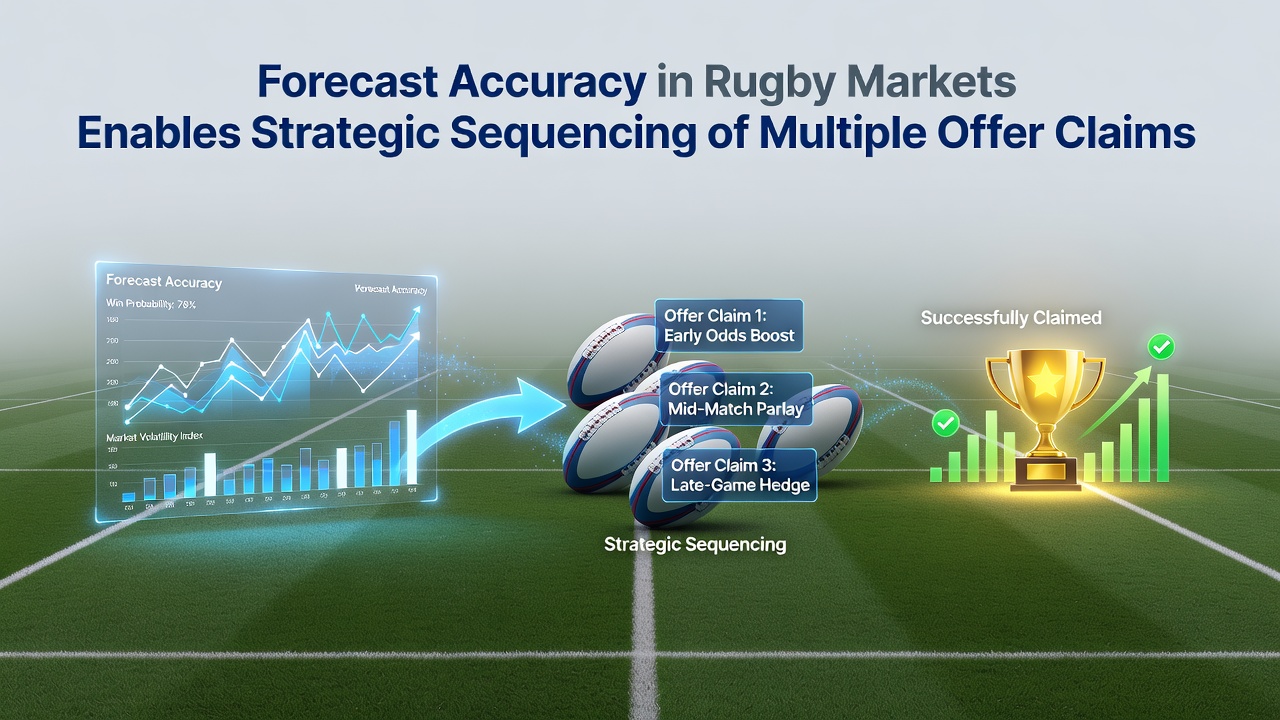
Rugby Forecast Precision Unlocks Sequential Bonus Layering in Betting Markets
Accurate predictions in rugby union and league markets create measurable advantages for participants who sequence multiple promotional claims across different operators. Data from recent seasons shows that when forecast models incorporate variables such as set-piece success rates, defensive line speed, and player availability, the timing of bonus activations aligns more closely with favorable odds movements.
Market Dynamics in Rugby Betting
Rugby competitions generate distinct betting patterns compared with other team sports because matches often hinge on narrow margins in territory and possession. Bookmakers adjust lines frequently during the week leading to fixtures, and these adjustments reflect incoming information on team selections and weather conditions. Observers note that participants who track forecast accuracy can identify windows where odds remain misaligned with updated probability estimates, allowing claims on deposit bonuses or free bet offers before lines tighten.
Forecast Accuracy and Timing Advantages
Research published by sports analytics groups indicates that models combining historical match data with real-time injury reports achieve higher calibration scores in rugby than generic algorithms. When these calibrated forecasts project a higher probability for specific outcomes such as total points or try-scoring margins, users can prioritize promotional sequences that require placement of qualifying bets on those same markets. The result appears in reduced variance between expected and realized bonus values across multiple accounts.
Sequencing Multiple Offer Claims
Strategic sequencing involves ordering bonus redemptions so that each completed cycle satisfies wagering requirements without overlapping restricted markets. Rugby fixtures scheduled on consecutive weekends provide natural intervals for completing one set of terms before activating the next. Figures from industry monitoring services reveal that operators frequently release enhanced odds promotions tied to major tournaments, and forecast reliability helps determine which of these offers carry the lowest effective cost when combined with existing balances.
Take one documented approach used by experienced participants who monitor Six Nations and Super Rugby calendars. They allocate initial deposit bonuses to outright tournament markets where model outputs show stable probabilities, then shift subsequent free bet claims to in-play lines once matches begin and additional data emerges. This ordering reduces the chance that market movements render later claims unprofitable.

July 2026 Tournament Context
During July 2026 several international tours and domestic finals coincide, increasing the number of available rugby markets. Regulatory updates in multiple jurisdictions have required clearer disclosure of bonus terms, which in turn has made sequencing decisions more transparent. Participants who apply forecast models calibrated on previous July fixtures report more consistent completion rates for stacked promotions because they can anticipate when lines will move in response to squad announcements.
Data Sources Supporting Forecast Integration
According to reports from the World Rugby analytics portal, possession and territorial statistics from the 2025 season align closely with outcomes in early 2026 matches, providing a stable baseline for models. A separate study released by the Australian Sports Commission examined prediction accuracy across rugby league competitions and found that ensemble methods incorporating player workload metrics outperformed simpler regression approaches by measurable margins. These findings support the practice of feeding such outputs directly into decisions about which promotional sequences to activate first.
Operational Considerations for Participants
Operators impose varying minimum odds requirements and market exclusions on bonuses. Rugby totals and handicap lines often qualify under most schemes, whereas certain player performance props do not. Those who maintain detailed records of forecast hit rates can map eligible markets to available offers in advance, creating repeatable sequences that satisfy terms across operators without triggering compliance flags. External monitoring of terms changes becomes essential because July 2026 has already seen several platforms revise their eligible market lists ahead of the mid-year international window.
Conclusion
Forecast accuracy in rugby markets supplies the quantitative foundation needed to order multiple promotional claims effectively. When models deliver reliable probability estimates, participants can align bonus cycles with favorable market conditions across different operators. Available data from governing bodies and independent research groups continues to highlight the value of calibrated predictions for managing the sequence and timing of these claims within current regulatory frameworks.