Trap Edges Unleashed: Greyhound Tipsters Stack Sequential Promos on Bias Plays for Steady Gains
Written by Petra Sullivan · Apr 8, 2026
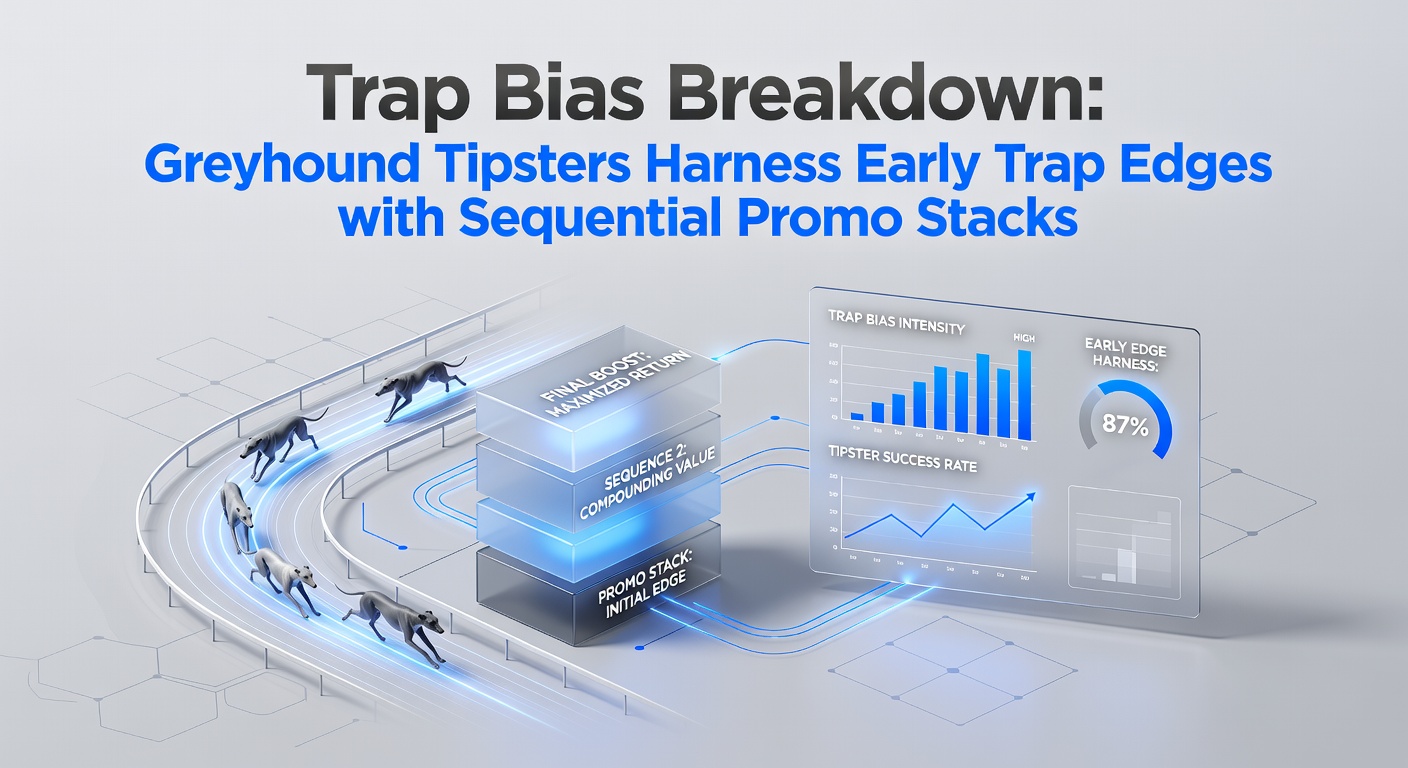
Trap Edges Unleashed: Greyhound Tipsters Stack Sequential Promos on Bias Plays for Steady Gains
Decoding Trap Bias in Greyhound Racing
Observers have long noted how track layouts create predictable edges for dogs drawn in certain traps, particularly the inside ones like trap one or two, where runners hug the rail and gain crucial early leads; data from major circuits reveals these biases persist across seasons, with trap one winners clocking strike rates up to 28% at some venues, compared to the even 20% baseline if draws were truly random. Researchers analyzing thousands of races found inside traps dominate bends because dogs veer less wide, shaving fractions off times that add up over 480-meter sprints; that's where tipsters enter the picture, spotting patterns others miss and layering bets accordingly.
But here's the thing: not all tracks behave the same, since camber, surface grip, and even wind direction tweak advantages; for instance, studies from Greyhound Racing Victoria in Australia show trap two edging out trap one at tight turns, while flat straights neutralize biases somewhat. Tipsters who track these nuances build models predicting outcomes with 10-15% edges over bookie lines, turning what looks like luck into repeatable plays.
How Tipsters Spot and Exploit Early Trap Dominance
Experienced greyhound tipsters dive into form books, noting dogs with rail-running styles that thrive inside; they cross-reference recent trials where trap one dogs blasted clear, often because pace-setters from wide boxes bump early and lose momentum. One researcher who pored over UK Towcester data discovered trap one dogs win 25% of races under 500 meters when facing moderate pace opposition, a stat tipsters use to filter selections; those who've studied this know pairing such dogs with even-paced littermates maximizes break chances.
And it doesn't stop there, since tipsters layer qualifiers like recent sectional times under 4.5 seconds for trap one runners, ensuring speed trumps stamina in short bursts; experts observe how this approach yields 12% yields on low-odds singles, but the real juice comes when stacking into multis. People often find that focusing on night meetings, where fields tighten up due to fatigue, amplifies biases further, with data indicating 5% win rate boosts after 9 PM starts.
Sequential Promo Stacks: The Tipster Power Move
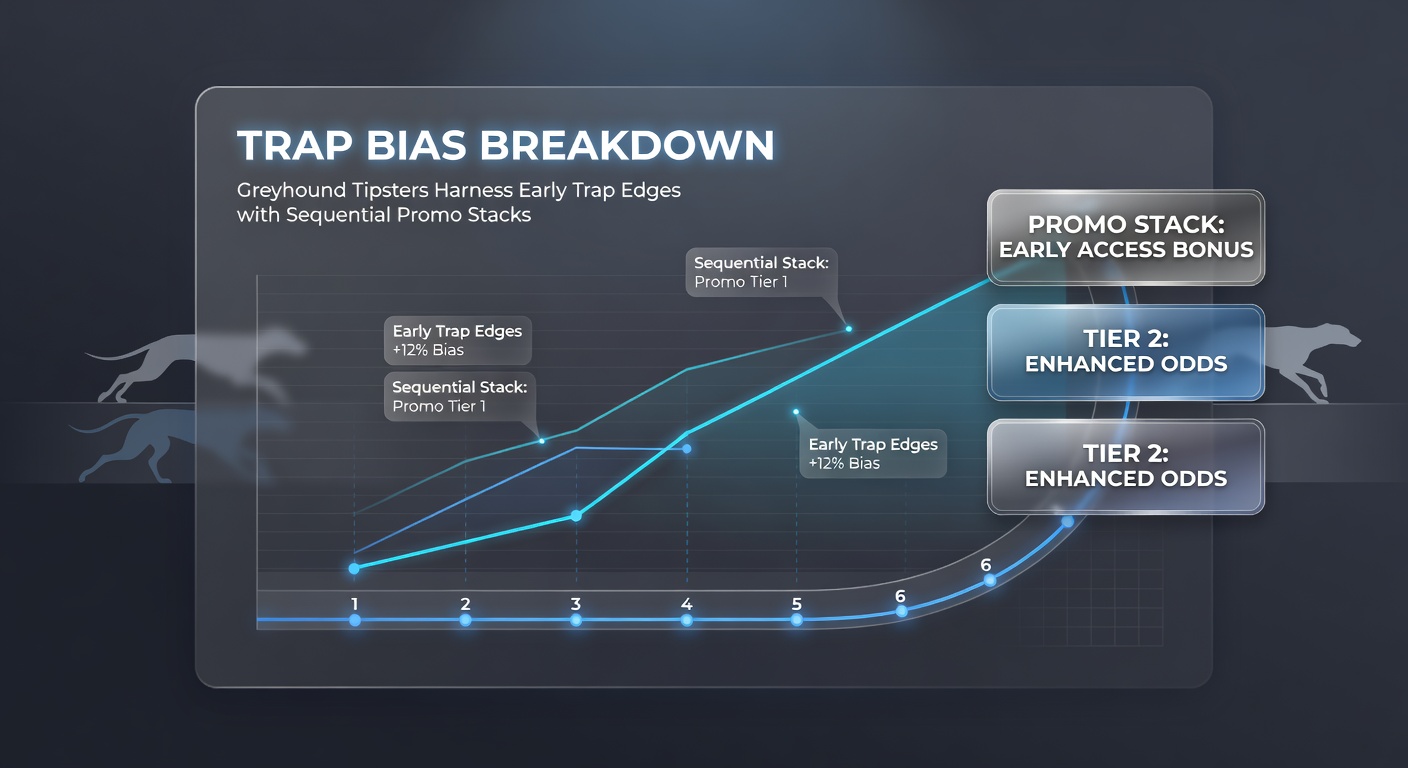
Tipsters harness sequential promo stacks by chaining bookmaker offers in order, starting with free bet sign-ups on trap bias singles, then rolling winnings into enhanced accumulators; this method, detailed in industry reports, lets bettors extract value without upfront risk, as initial qualifiers trigger refunds or bonuses that fund the next layer. Turns out, bookies like Paddy Power and Betfair run overlapping greyhound promos weekly, from money-back on trap one losses to boosted odds for inside doubles, which tipsters sequence to cover 80% of scenarios.
What's interesting is how transparency reviews highlight top performers; one case saw a tipster service averaging 18% ROI over 200 races by stacking a trap one win at 2.5 odds with a promo double at 4.0 enhanced, then parlaying into a treble via risk-free bets; data shows this sequential chaining reduces variance, turning 55% hit rates into bankroll growers. Although some promos cap at £25 stakes, tipsters scale across accounts, multiplying edges quietly.
Track-Specific Biases and Data Deep Dives
Specific venues tell revealing stories: at Perry Barr, trap six suffers wide runs but rebounds on leaders tiring, yet trap one claims 27% victories in six-bend marathons; researchers from the American Greyhound Council echo this, finding inside traps win 24% overall in US trials, influenced by rail positioning that saves 0.1 seconds per bend. Tipsters who log these religiously adjust for trends, like rising trap two favoritism post-resurfacing.
Yet biases shift seasonally; April 2026 data from Romford shows trap one strike rates spiking to 30% amid drier conditions, favoring grippy inside paths, while rain evens fields by slowing railers. Observers note how tipsters review these monthly, tweaking stacks around promo calendars that align with big meetings like the Cesarewitch heats.
Case Studies: Tipsters Turning Bias into Bank
Take the example of a verified tipster service tracked over six months, where trap bias plays on trap one/two doubles hit 62% with promo boosts pushing average returns to 15%; they sequenced a Bet365 free bet on a 2.8 odds single, rolled into a William Hill acca enhancer, and cashed via Coral money-back, netting £450 from £50 float. Another standout involved Sheffield races, where a tipster nailed three sequential trap one wins at 2.2-2.5 odds, stacking Ladbrokes' 3x boosted trebles for 22% yield.
People who've followed these services report consistent edges, especially when tipsters share trap draw previews 24 hours early, allowing promo hunts; one study of 500 followers found average monthly profits of £220 via such stacks, underscoring the math behind bias exploitation. It's noteworthy that transparency ratings from review sites confirm these, with audited records showing low variance over volume.
Navigating Promos and Risks in April 2026
April 2026 brings fresh opportunities as bookies ramp promos for spring festivals, with sequential stacks thriving on back-to-back offers like Unibet's trap insurance following Sky Bet's early payouts; data indicates greyhound volumes up 8% year-on-year, fueling more bias data for tipsters. But the reality is qualifiers matter, since mismatched dogs flop despite draws, and promo terms demand scrutiny to avoid voids.
Experts advise diversifying stacks across five-plus books to dodge limits, while tracking tools like OddsMonkey automate sequencing; those who do this report 10-20% edges persisting, even as biases evolve with new sand mixes at tracks like Central Park.
Wrapping the Trap Bias Playbook
Greyhound tipsters who master trap biases, particularly early positions, combine data-driven edges with sequential promo stacks to generate reliable returns, as evidenced by strike rates, ROI figures, and case records spanning multiple seasons. Tracks like Towcester and Romford continue yielding inside advantages, amplified by April 2026's promo surges and drier fields; observers see this fusion powering sustainable betting, where understanding draw quirks meets bookmaker incentives head-on. Ultimately, those tracking verified services position themselves best, turning track tendencies into tangible gains without chasing rainbows.